Poker Card Dealing: The Button, Blinds, and Sequence in Texas Hold'em
By the Editorial Team
To deal a hand of Texas Hold'em, locate the button, check the blinds, and deal two cards face down to each player, one at a time, clockwise. After the pre-flop betting round, burn one card and deal the flop face up. If the hand continues, burn another card before the turn and again before the river, always allowing the betting round between these stages to finish. [1]
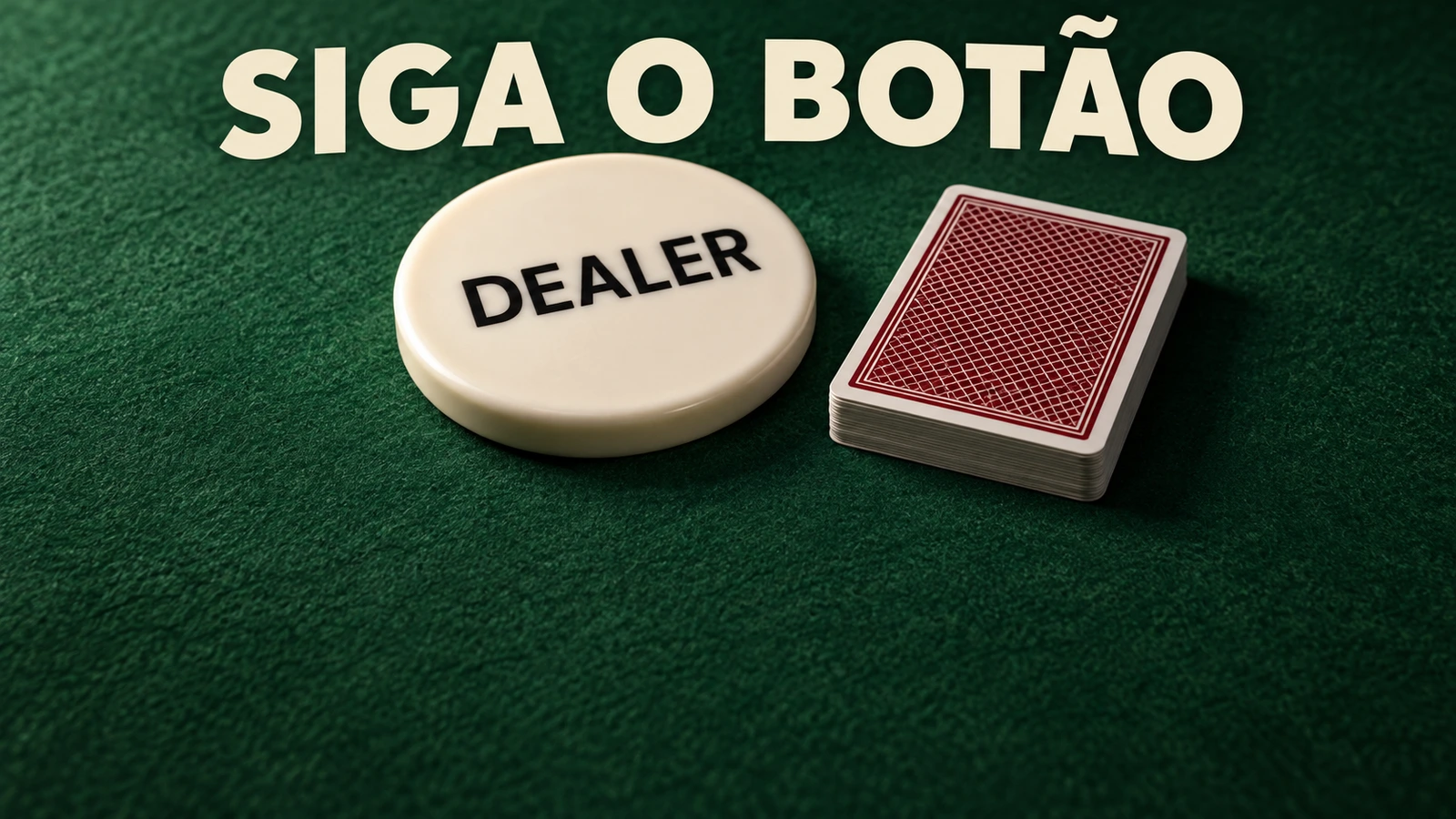
The button marks the dealer position for that hand, even when someone else deals the cards. [1]
The instructions below cover Texas Hold'em at a table where the hand begins with three or more players. The aim is to handle the physical dealing, keep track of the pauses for betting, and recognize when the hand has ended.
Before Dealing: The Button, Deck, and Forced Bets
Decide who will handle the deck and where the button will start. In a home game, players can take turns dealing, or one person can volunteer to deal every hand. In the latter case, the button still moves among the players: whoever has it occupies the dealer position, even though they are not physically dealing the cards.
To choose the first button, one procedure described in the beginner rules is to deal one card to each player. Whoever receives the highest card starts with the button; for this purpose, the ace is high. For subsequent hands, the button moves to the player on the left at the end of each hand. The person dealing uses that position as a reference, even if they stay in the same seat. [1]
Identify the two blinds before dealing the hole cards. In a hand that begins with three or more players, the player immediately to the left of the button posts the small blind. The next player, to the left of the small blind, posts the big blind. These are forced bets that put chips in the pot before the pre-flop decisions. The big blind is usually twice the small blind, but that ratio should not override the amounts set for the game. [1]
If the game also uses antes, those bets must be on the table before the deal. The procedure presented by PokerOrg calls for collecting them first and checking that each player has posted an ante. [3]
Shuffle before starting. Dealing requires shuffled cards and care to keep each player's hole cards hidden from the others. Leave the center of the table clear for the community cards, which will be dealt face up during the hand. Burn cards remain face down and out of play; they are not among the cards players can use to make their hands. [1][3]
Poker Card Dealing in Practice: From the First Card to the River
1. Deal One Card Face Down to Each Player
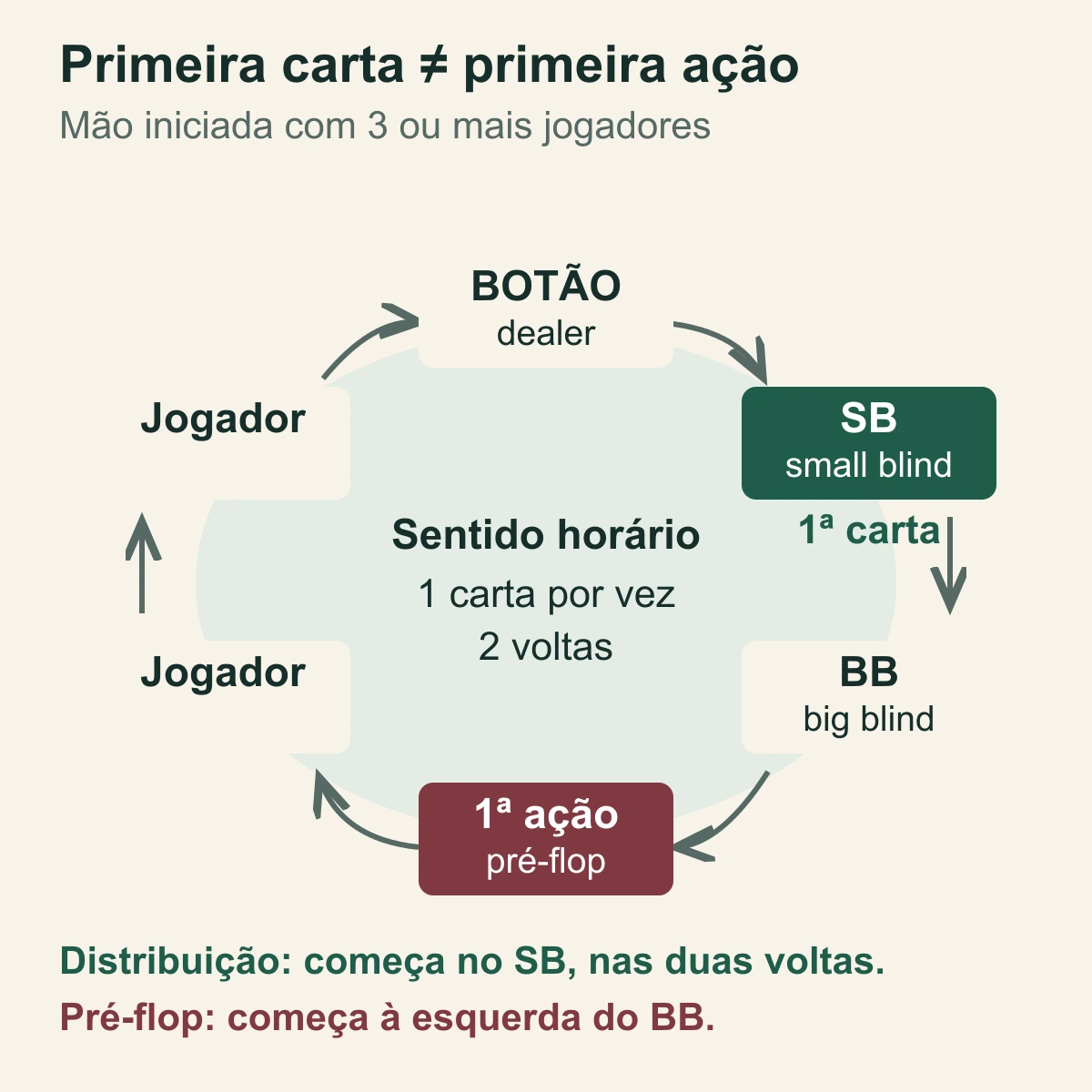
Start with the player immediately to the left of the button, who is the small blind in a hand that begins with three or more players. Deal that player one card face down, then one to the big blind, and continue clockwise, giving each player one card.
Complete this first pass before dealing anyone a second card. Then go around the table again, starting with the same player and following the same direction. At the end of the second pass, each player will have two face-down cards, called private cards or hole cards. They must remain hidden from opponents during the deal. Therefore, do not deal two cards at once to one player before moving on to the next. [1][3]
2. Wait for the Pre-Flop Betting Round
Once everyone has received their two cards, pre-flop begins: the betting round before any community cards are revealed. In a hand that begins with three or more players, the player to the left of the big blind acts first. Action proceeds clockwise, with one player acting at a time. Receiving the first card and acting first are different things: dealing began with the small blind, but the pre-flop round begins to the left of the big blind. [1]
When facing a bet, a player can fold, call, or raise, when raising is available. Calling means matching the amount required to continue; raising increases the bet that subsequent players will face. When dealing, the essential task is to follow these decisions and wait for the round to finish before revealing the flop. [1][2]
If everyone folds and only one player remains, that player wins the pot. In that case, the hand is over, and there is no reason to continue dealing the remaining community cards. [3]
3. Burn One Card and Reveal the Three Flop Cards
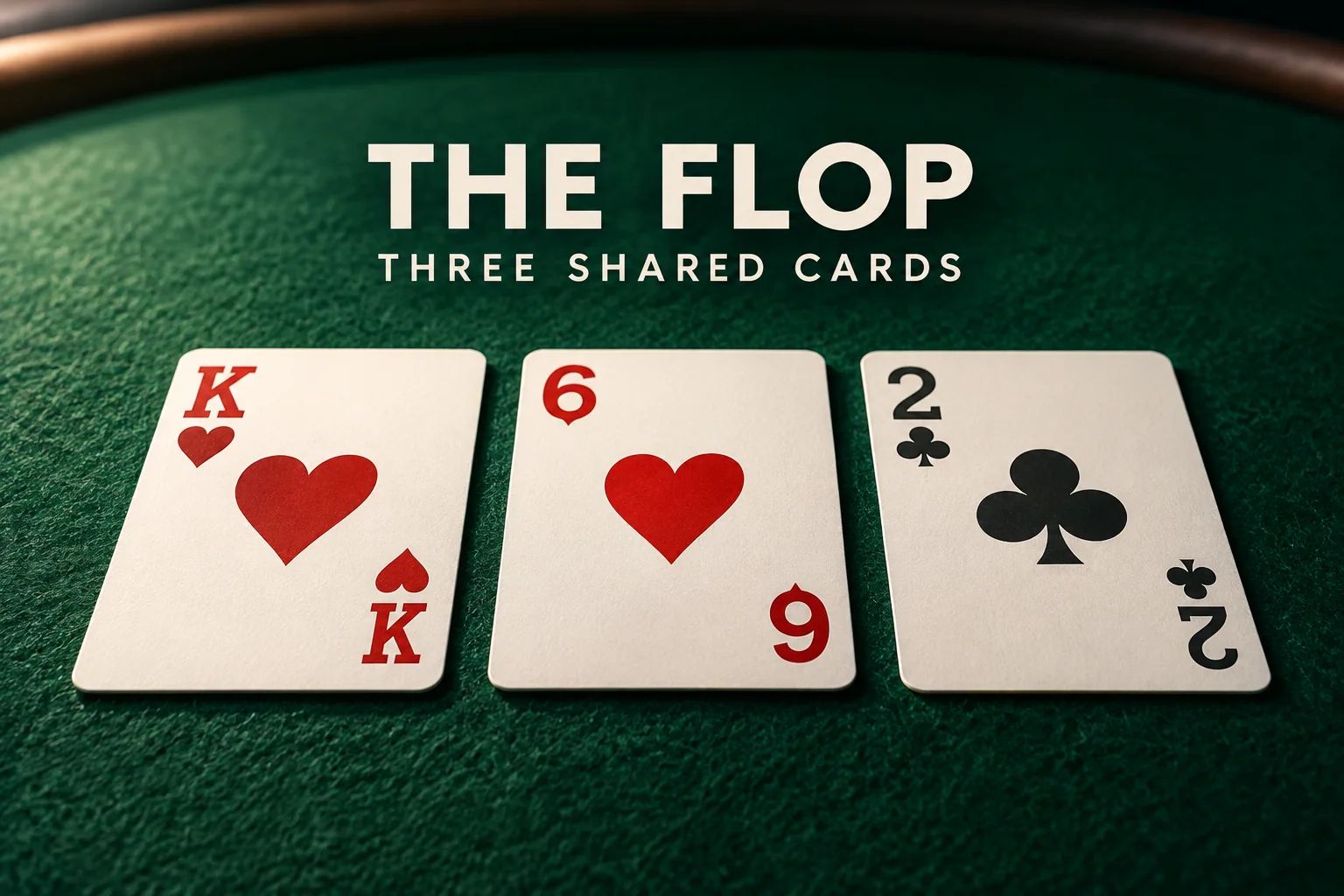
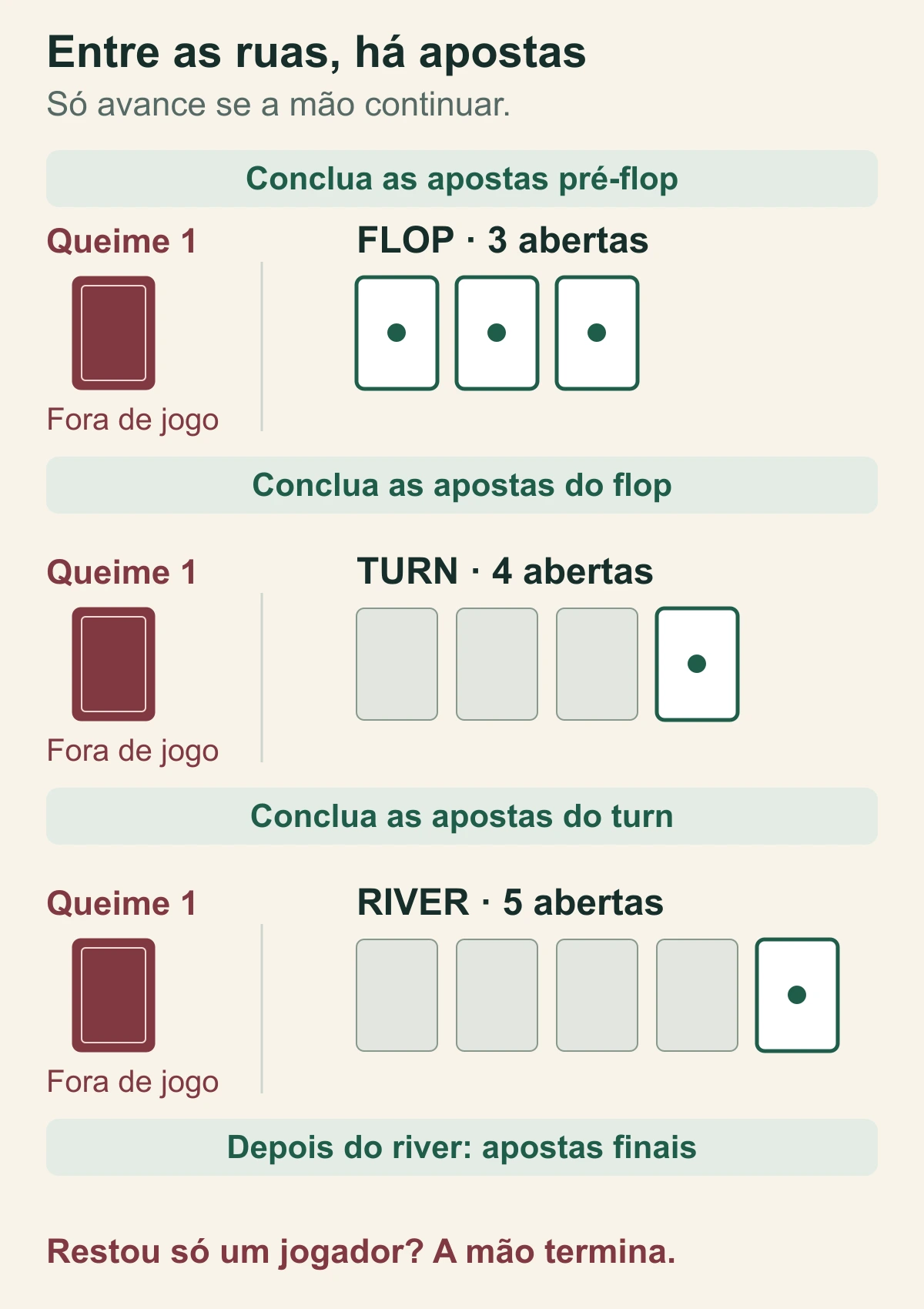
When the pre-flop round ends and the hand continues, take the top card from the deck and place it face down out of play. This procedure is called burning a card. Then deal three cards face up in the center of the table: together, they form the flop.
The three face-up cards are community cards available to players still competing for the pot. Burn only once before revealing this group, not between each of the three flop cards. [1]
With the flop on the table, another betting round begins. Action starts with the first player to the left of the button who is still in the hand and able to act, then proceeds clockwise. When a player has no outstanding bet to face, they can check, meaning they pass the action without betting. The turn is revealed only after this round is complete. [1]
4. Burn Another Card and Reveal the Turn
Once the flop betting is complete, take another card from the top of the deck and place it face down out of play. Then deal a single card face up beside the flop. This is the turn, the fourth community card. [1][2]
After the turn is revealed, wait for the next betting round to finish before revealing the river. The flop, turn, and river are also called “streets”: the term identifies the stage of the hand being played. [1]
5. Burn the Final Card and Reveal the River
If the hand reaches the river with more than one player still competing, burn one card face down and deal another face up beside the four community cards already showing. The river is the fifth and final community card in Texas Hold'em. [1]
The physical procedure is the same as for the turn: one burn card followed by one face-up card. If the hand reaches this point through the full sequence, three cards will have been burned, one before each reveal of community cards: the flop, turn, and river. That total depends on the hand reaching all these stages. [3]
After the river, there is still a final betting round. The fifth community card ends the dealing, but it does not automatically end the contest for the pot. You need to follow the remaining decisions before determining how the hand ends. No more community cards will be dealt in this hand. [1]
6. End the Hand and Move the Button
If more than one player remains after the final betting round, they compare hands at showdown. If the opponents have already folded, the sole remaining player receives the pot without a showdown. [1][3]
At a showdown with all five community cards, each player makes their best five-card hand using any combination of their two hole cards and the five cards on the board. Players may use both hole cards, just one, or neither. Receiving two face-down cards therefore does not create an obligation to include both in the final combination. [1]
Once the hand is over and the pot has been awarded, collect the cards and move the button one position clockwise. Do this before preparing the next deal so players can identify who should post the new blinds while the deck is being shuffled. [3]
How to Check the Deal and Handle an Error
The most direct check is to look at how many cards should be face up in the center at each stage. The Texas Hold'em sequence presented by Cornell separates the two hole cards from the reveals of the flop, turn, and river. [2]
| Stage of the Hand | Hole Cards per Player | Total Face-Up Community Cards |
|---|---|---|
| Initial deal complete | 2 | 0 |
| Flop revealed | 2 | 3 |
| Turn revealed | 2 | 4 |
| River revealed | 2 | 5 |
Use the table to check the stage reached; hands ended by folds need not reach the river. It counts only players’ cards and community cards, not burn cards. [1][3]
Check the transition as well as the count. Having the correct number of face-up cards does not, by itself, confirm that the entire sequence was followed. Before revealing a new street, check that the previous betting round has ended. When dealing community cards, also check the corresponding burn. [1]
If a card is exposed accidentally during the deal, pause the deal. Follow the exposed-card rule agreed for the game before continuing. [3]

 3 days ago