What Is an Ante in Poker: How It Is Paid and How It Differs from Blinds

What an Ante Is and When It Is Paid
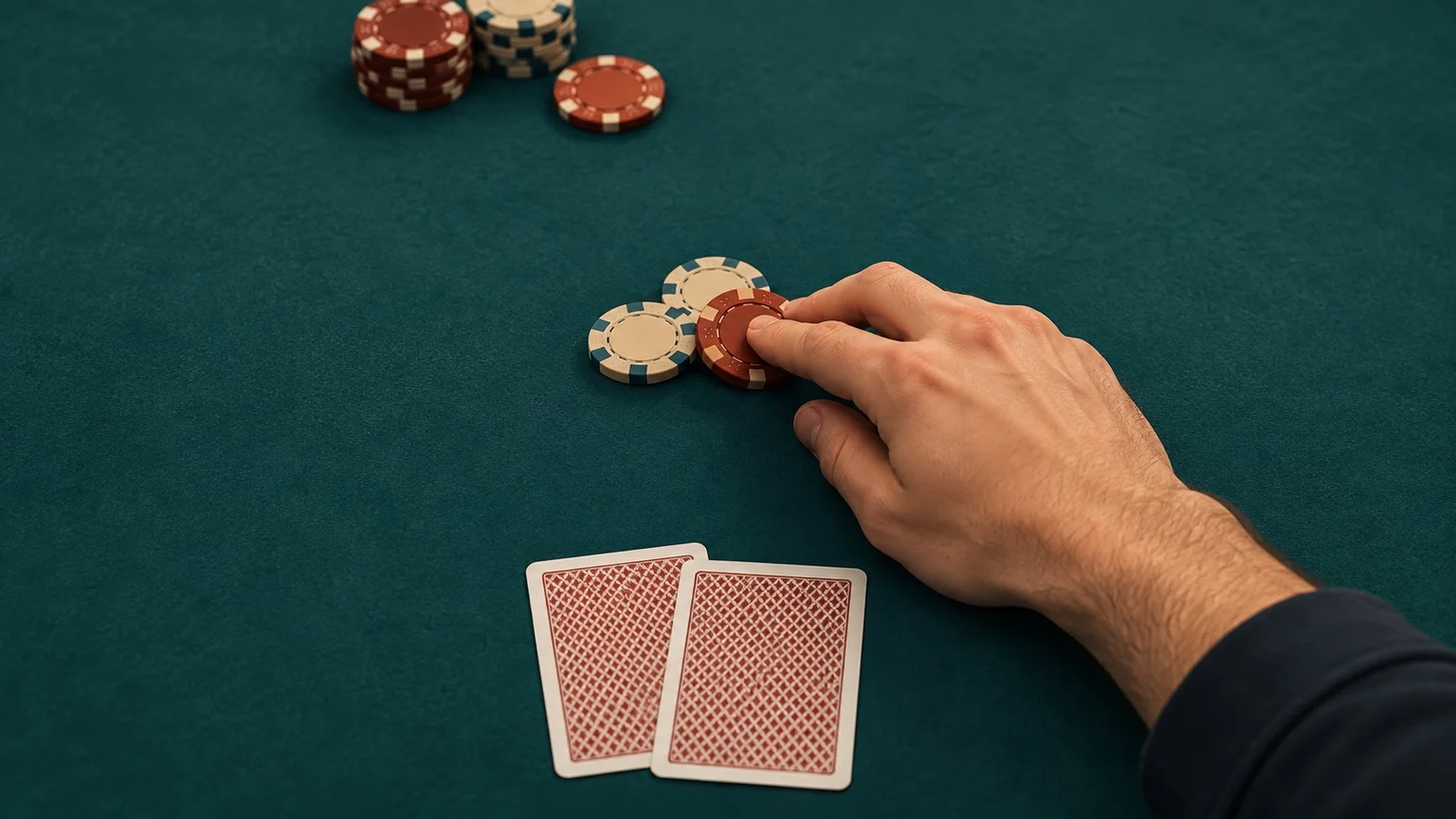
An ante is a mandatory contribution to the pot before the cards are dealt, in games that use it. It adds chips to the starting pot, creating more chips to play for. Depending on the format, it can be collected from each participant or paid by the player in the big blind. [3]
How Individual Antes, Big Blind Antes, and Blinds Work
In structures that use blinds, the distinction is:
| Payment | Who Pays | When It Enters the Pot | What Identifies It |
|---|---|---|---|
| Small blind and big blind | Players in the respective positions | Before receiving cards | Mandatory bets tied to table positions |
| Individual ante | Every player in the hand, including the blinds | Before the cards are dealt | A contribution collected from each participant |
| Big blind ante | The player in the big blind position | Before the cards are dealt | This player pays the ante in addition to the big blind |
With individual antes, the dealer collects the contributions before dealing. With a big blind ante, or BB ante, there is one ante payment per hand, separate from the big blind. The single payment is easier to track and has replaced individual antes in many tournaments; both systems also appear in cash games. [3]
The Ante Does Not Reduce the Amount Needed to Call
Paying an ante does not reduce the amount you still need to match a bet. To call, count what you have already bet in the same betting round and pay the difference up to the current bet; the ante is excluded from that calculation. Paying the ante does not force you to call: you may fold or, if there is no bet to match, check. [4]
What Depends on the Game Structure
Not Every Texas Hold’em Game Has an Ante
Cash games can have antes or no antes. In tournaments, the ante may apply from the beginning or start at a later level. Check the table configuration or event structure to see whether there is an ante and when it begins. [1][3]
The Amount Does Not Follow a Universal Proportion
An individual ante is usually small relative to the blinds, but there is no universal proportion. Tournament amounts may increase as levels progress. Big blind ante identifies who pays, rather than requiring the ante always to equal one big blind. Read the announced amount for the current level. [2][3]
Antes and Blinds Can Coexist, but They Are Not Inseparable
Hold’em can combine blinds and antes; Stud and Razz use antes without these blinds. An ante, by itself, does not change the action order set by the rules of the variant. [1][4]
How to Read a Big Blind Ante Structure
The Lodge published a tournament structure example on March 4, 2024, in the order small blind / big blind / ante. At the third level, it reads 200/300/300, in tournament chips: [3]
| Payment at the Featured Level | Value in Chips | Who Posts It |
|---|---|---|
| Small blind | 200 | The small blind player |
| Big blind | 300 | The big blind player |
| Ante | 300 | The big blind player, in addition to the blind |
At this level, the big blind player posts 600 chips in total before the hand: 300 as the blind and 300 as the ante. The big blind remains 300; the total of 600 consists of two contributions with different functions. The small blind posts 200. The BB ante label identifies who pays the third amount. [3]
What to Check in the Structure Before Playing
- Is there an ante, and when does it start? Check the table configuration or the tournament level at which it begins.
- Who pays? Identify individual antes or a big blind ante.
- What is the current amount? Read the applicable amount together with the blinds and structure labels.
Sources
- [1] Poker Ante: Learn All About This Type of Bet — GipsyTeam. Published on August 4, 2022.
- [2] What Is an Ante in Poker? — PokerNews.
- [3] What is an Ante in Poker? — The Lodge Poker Club. Published on March 4, 2024.
- [4] Poker Betting and Showdown: Antes and Blinds — Pagat.
 3 days ago